
Digital Gold Rush: The Urgent Need to Redefine Stablecoin Backing


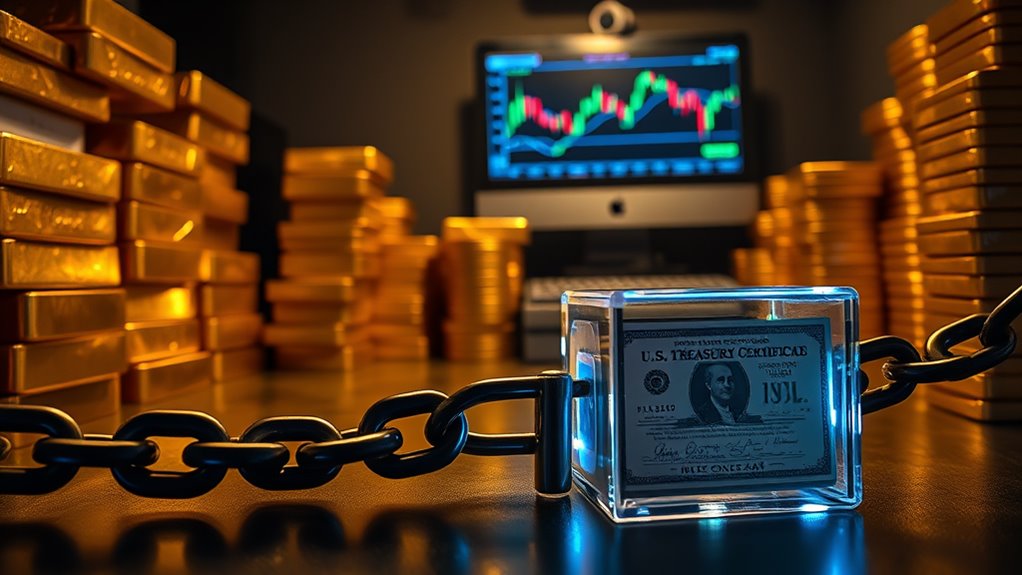
What exactly backs those digital dollars you’re betting on? The stablecoin market wants you to believe there’s a neat little pile of cash supporting each token. Spoiler alert: it’s complicated.
The crypto promise: your tokens backed by real dollars. The stablecoin reality? Not quite the neat stack of cash you imagined.
Tether, the big kahuna, claims 85% cash and equivalents with a hefty 75.86% in U.S. Treasuries. Nice numbers. Regulators like NYDFS demand monthly attestations to keep everyone honest. But who’s checking the checkers?
Then there’s the crypto-backed crowd. DAI doesn’t mess around with its 150% overcollateralization requirement. Extra padding for when markets go sideways—and they will. These systems run on complex liquidation mechanisms that kick in when collateral values drop. Automatic. Ruthless. Necessary.
Algorithmic stablecoins? A totally different animal. They use smart contracts and market incentives instead of actual collateral. Remember Terra? Yeah, that ended well. Death spiral is the technical term when your backing asset collapses alongside your stablecoin. Two drowning swimmers tied together.
Stablecoins weren’t just created for crypto nerds. They bridge traditional finance and digital currencies. Some experts even suggest Bitcoin and stablecoins complement the dollar rather than replace it. A U.S. dollar-bitcoin system could be the evolution of the petrodollar. Fascinating theory, if a bit optimistic.
Transparency remains the elephant in the room. Regular attestations by third parties sound great on paper. In practice? Let’s just say the crypto industry isn’t exactly known for its forthcoming nature. With approximately one million users relying on stablecoins for daily transactions, the stakes for transparency couldn’t be higher.
The risks are obvious but worth repeating. Crypto volatility demands overcollateralization. Liquidation processes get messy. Market downturns can trigger cascading failures. And yet, institutional adoption grows. The stablecoin market has surged to nearly US$200 billion, with a significant portion invested in Treasury bills, making them increasingly important players in global finance. Stablecoins are becoming major buyers of U.S. debt. Wall Street’s getting curious.
Regulations are coming. They have to. After Terra’s spectacular face-plant, even die-hard crypto libertarians admit some oversight might not be the worst idea. The digital gold rush continues, but miners beware—not all that glitters is backed by gold. Or anything at all.