

Self-Custody Crypto Wallets: Secure Your Crypto Future
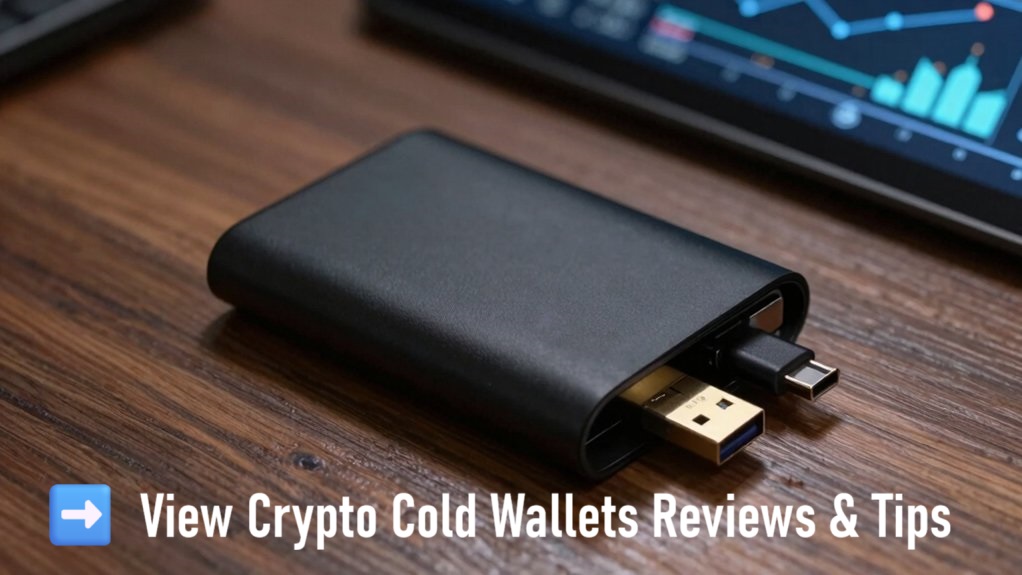
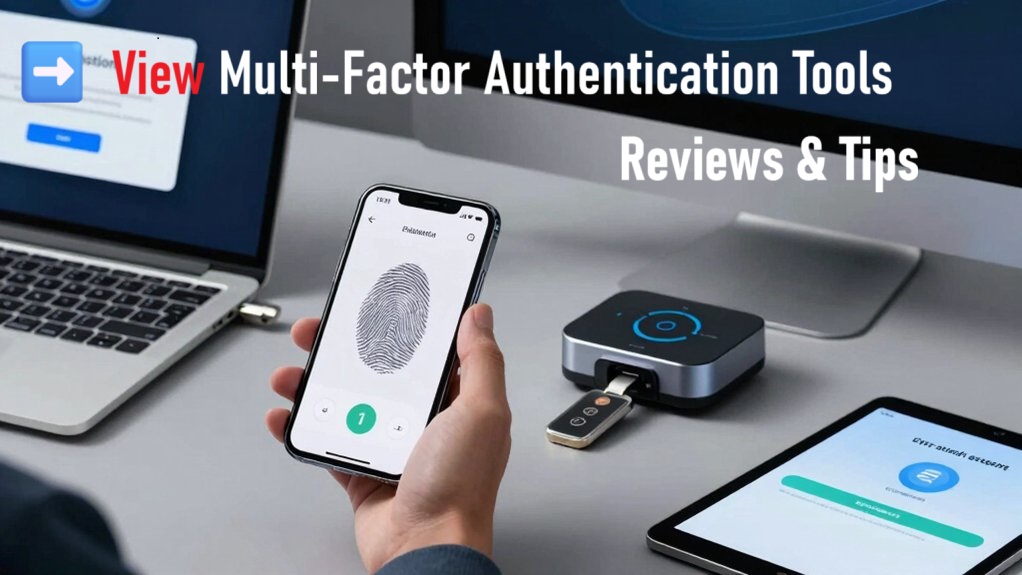
The recent Coinbase data breach, exposing customer data despite no private key compromise, underscores the critical need for self-custody crypto wallets. Self-custody means you control your private keys, eliminating reliance on third parties and mitigating risks associated with centralized exchanges. This offers complete control over your digital assets, enhancing security by storing private keys offline (as seen in hardware wallets like Tangem), and preserving user privacy. The article highlights the financial and regulatory implications for centralized platforms following security breaches, estimating Coinbase’s potential costs at $180 million to $400 million. In contrast, self-custody wallets like Tangem offer several advantages. Tangem, a hardware wallet, uses NFC technology for easy transactions, stores keys offline on a secure chip, supports over 16,000 cryptocurrencies, and boasts a user-friendly interface. Setting up a Tangem wallet involves downloading the app, activating the card via NFC, generating a wallet, backing up with recovery phrases, and transferring funds. The article also addresses other self-custody options like MetaMask and Ledger, contrasting them with custodial wallets offered by exchanges such as Coinbase. While Coinbase Wallet provides self-custody, the Coinbase exchange itself is custodial. The article emphasizes the importance of understanding the differences between self-custody and custodial solutions, highlighting the risks associated with trusting third parties with your crypto assets. Ultimately, the decision to utilize self-custody is a crucial step in safeguarding your cryptocurrency investments.
(Source: https://www.thecryptoupdates.com/why-do-you-need-a-self-custody-crypto-wallet/)